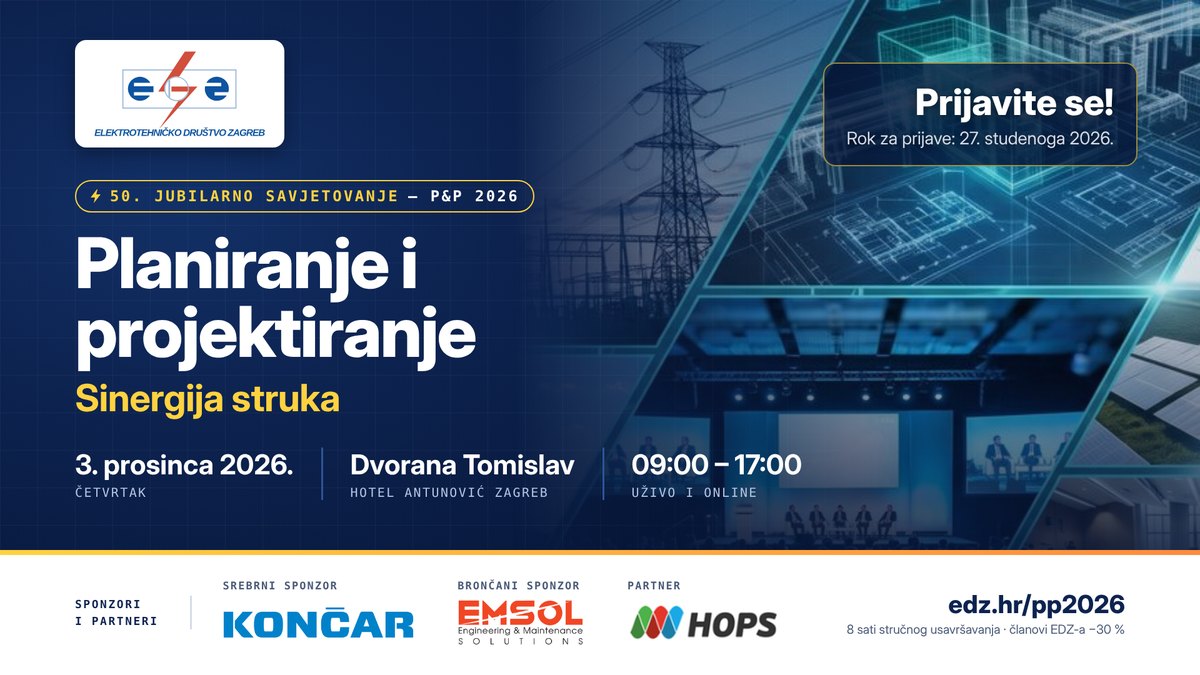
📅 3 December 2026, 08:30–17:00📍 Zagreb, Hotel Antunović Špansko, Tomislav Hall + online⚡ 8 hours of HKIE CPD
Jubilee 50th International Conference
Planning and Design (P&P 2026)
Half a century of the leading engineering forum organised by the Electrical Engineering Society Zagreb (EDZ). We bring together openBIM methodology, advanced power grids, digital twins and the delivery of major EU-funded projects.
The central meeting place for design engineers, consultants, transmission and distribution system operators, university professors and leading technology manufacturers.
⚡
Continuing professional development (8 hours)
Participants who have paid the registration fee earn a total of 8 hours of continuing professional development under the programmes of the Croatian Chamber of Electrical Engineers (HKIE):
✔6 hours in electrical engineering
✔2 hours in technical and building regulations
Automatic verification and entry into the HKIE and MPGI records.
🏆
Engineer and Technician of 2026
The Electrical Engineering Society Zagreb keeps an official record of the CPD hours earned by participants throughout 2026.
At the Society’s annual assembly, the distinguished awards Engineer and Technician of 2026 will be presented to colleagues with the highest commitment and number of hours.
Recognition for dedication to lifelong professional development.
👥
Organising Committee
The team responsible for the programme, the peer review of papers and the running of the conference:
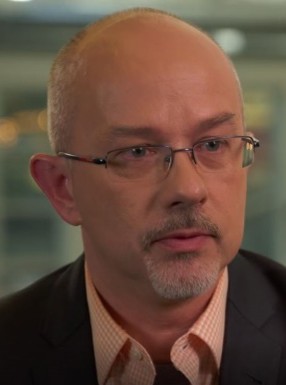
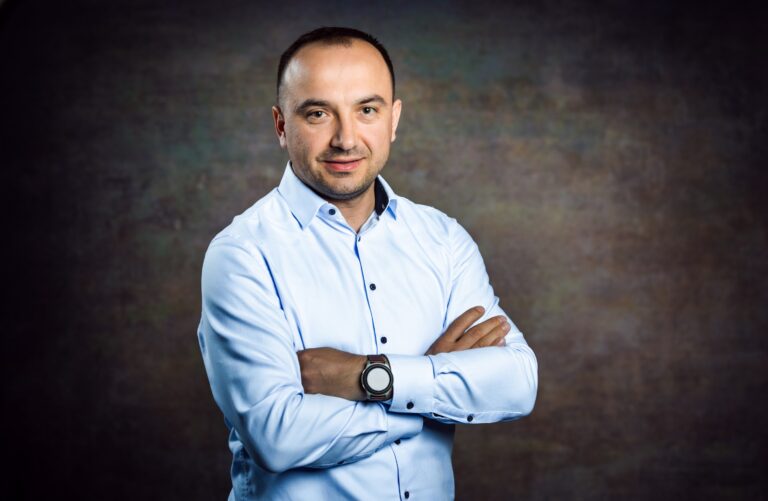
Antun Kerner, mag. ing. el., PMP
Chair of the Organising Committee / Vice President of EDZ
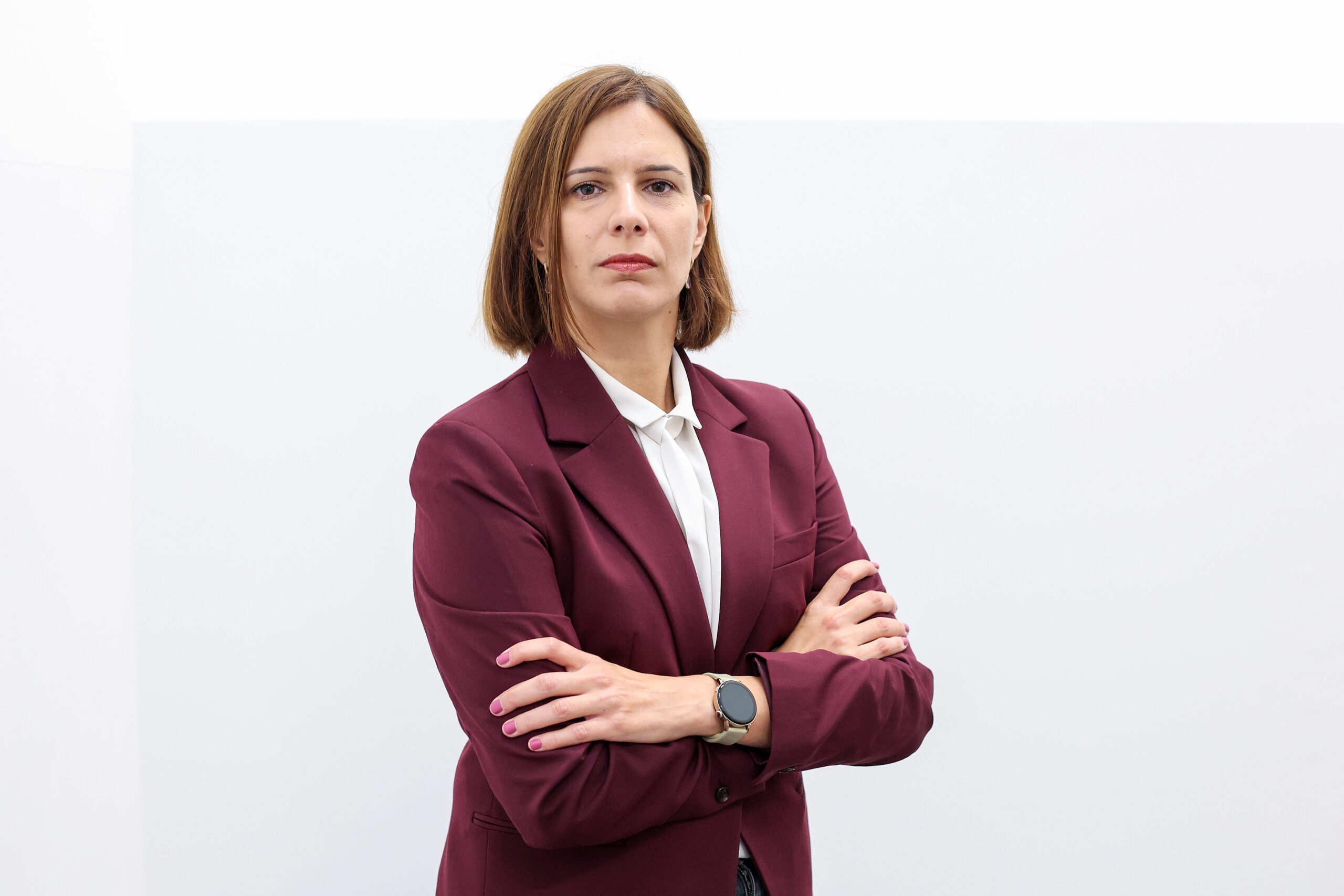
Marijan Mustač, mag. ing. el.
President of the Electrical Engineering Society Zagreb
The programme focuses on interdisciplinary collaboration, the application of advanced models and the direct transfer of good engineering practice.
⚡
1. Power and electrical engineering
Renewable energy sources (RES), microgrids, advanced electrical installations in buildings and industry, reliability of supply and energy efficiency measures.
❄️
2. Mechanical engineering and HVAC
Modern heating, ventilation and air-conditioning (HVAC) systems, heat pumps, domestic hot water and advanced control and automation of mechanical installations (BMS).
🏛️
3. Civil engineering and architecture
Structural and integrated design, sustainable materials, building physics, seismic resilience and strategies for the deep energy renovation of the building stock.
💻
4. ICT, digitalisation and new trends
Practical application of BIM (openBIM standards), digital twins, IoT sensor systems, artificial intelligence (AI) and advanced engineering software tools.
📜
5. Regulations, standardisation and project management
Current Croatian and EU legislation (EPBD, Building Act), technical standards (lightning protection, energy performance), practical experience in managing and coordinating complex engineering projects, contracting and public procurement in design.
Strategic voices
Invited speakers & Leaders’ panel
Plenary talks and the strategic leaders’ panel bring together leading names from the Croatian power industry, the transmission system operator and academia.
Main strategic panel
“Digitalisation of Design and EU Funds: Where Technology Leaders, Regulation and Academia Meet”
Discussion focus: faster grid connection of renewables, openBIM in public investment, cybersecurity (NIS2) and knowledge transfer from universities to design offices.
RITEH Rijeka • Department of Electric Power Systems
Topic:
Applying ICT to the monitoring, stability and early warning of modern power grids with a high share of renewables.
University of RijekaPlenary
MV
Keynote & openBIM
Prof. dr. sc. Mladen Vukomanović
Faculty of Civil Engineering, Zagreb • buildingSMART Croatia
Topic:
Digital transformation of construction: applying openBIM standards and the strategic management of infrastructure projects.
GF Zagreb / IPMAKeynote
TA
Lecture
Confirmed
Tomislav Žigo, AIA, LEED AP
CEO, BEXEL USA
Topic:
Human-centred implementation of artificial intelligence in the digital transformation of the construction industry
Biography
Tomislav Žigo, AIA, LEED AP, is co-founder, co-owner and CEO of BEXEL USA. For more than three decades he has led digital transformation across manufacturing, architecture, academia and construction – from BIM implementation and building performance analysis to data-driven project delivery, early adoption of AI-driven processes and digital maturity assessment. A registered architect, he holds a Master of Science in Mechanical Engineering from the University of Rijeka and a Master of Architecture from Washington University in St. Louis.
BEXEL USAGold sponsor
GL
Confirmed panellist
Confirmed
dr. sc. Goran Levačić
HOPS d.d. • Head of Grid Development
Strategic panel:
Transmission capacity, the pace of renewable connections, power system stability and the modernisation of Croatia’s power infrastructure.
Biography
Goran Levačić, PhD, heads the Grid Development Department at the Croatian Transmission System Operator (HOPS). He received his PhD from the Faculty of Electrical Engineering and Computing, University of Zagreb, and has more than 16 years of professional experience in the power sector. His expertise covers strategic planning and development of the transmission grid, digitalisation and the use of advanced tools for modelling and analysing power systems. He has extensive experience in preparing and implementing international development and research-and-innovation projects funded by the European Union. He is active in the international professional organisations ENTSO-E, Med-TSO, CIGRE and IEEE.
HOPS d.d.Strategic panel
MH
Confirmed panellist
Confirmed
Dr. sc. Miro Hegedić
EIT Community Hub • EIT Community Officer
Strategic panel:
Supporting innovation through the European Institute of Innovation and Technology (EIT)
Biography
Miro Hegedić, PhD, is an entrepreneur and expert in innovation development and management, international project development and European funding programmes. As EIT Community Officer for Croatia, he connects the Croatian innovation ecosystem with the initiatives of the European Institute of Innovation and Technology (EIT), fostering cooperation between academia, business and the public sector. He has taken part in preparing and implementing numerous national and international innovation projects and actively supports the growth and internationalisation of Croatian start-ups.
EIT Community CroatiaStrategic panel
AD
Confirmed panellist
Confirmed
Doc. dr. sc. Ana Drandić
FER Zagreb • Vice-Dean for International Cooperation
Strategic panel:
Engineering education, knowledge transfer from university to design practice, and international cooperation.
Biography
Assist. Prof. Ana Drandić, PhD, is Vice-Dean for International Cooperation at the Faculty of Electrical Engineering and Computing, University of Zagreb, where she coordinates the development of international partnerships and academic mobility. She received her PhD from FER, and her teaching and research focus on electromagnetic fields and the development of numerical methods for the analysis and optimisation of power equipment. She has taken part in preparing and implementing several research and development projects. As a licensed electrical engineer, she has experience in designing and installing low-voltage installations for family houses and residential and commercial buildings, as well as medium-voltage installations, transformer substations and solar power plants.
University of ZagrebStrategic panel
SĐ
Confirmed panellist
Confirmed
Spomenka Đurić
KONČAR d.d. • Strategy and Business Development
Strategic panel:
Technology leadership, the role of the Croatian electrical industry in the green transition and synergy with EU funding instruments.
KONČAR d.d.Strategic panel
LN
Confirmed panelist
Luka Novosel
Ministry of Regional Development and EU Funds • Chief Advisor to the Minister
Strategic panel:
EU funds as a lever for the digitalisation of design and infrastructure investment, and the role of the public sector in connecting industry, regulation and academia.
MRRFEUStrategic panel
AP
Paper author
Antun Kerner, mag. ing. el., PMP
Kerner d.o.o.
Topic:
Advanced planning and design in an openBIM environment: integrating the MCP protocol and AI agents within the Interdisciplinary Collaboration Platform (ICP)
Biography
Antun Kerner, MSc EE, PMP, graduated from the Faculty of Electrical Engineering and Computing, University of Zagreb. He has more than 40 years of experience in ICT and other industries, including oil, metalworking, telecommunications, banking, insurance and construction.
For eighteen years he worked for a global technology company on the development, implementation and management of complex ICT solutions, leading technically demanding projects with international teams. He has led digital transformation, information systems development and business process optimisation projects in large organisations. As a business architect and technical consultant, he combines engineering precision, strategic planning and an interdisciplinary approach.
He is a licensed electrical engineer (HKIE) and holds PMP, Six Sigma and EITCA/AI certifications, as well as certificates in solar power plant design and installation and in managing EU-funded projects. He is Vice President of the Electrical Engineering Society Zagreb and chairs the technical committee HZN/TO 585 “Digital identification”.
Kerner d.o.o.Paper author
ZE
Paper author
dr. sc. Zdenko Balaž, dipl. ing. el.
Aeroing d.o.o. Zagreb
Topic:
Regulatory requirements and implementation experience in air navigation safety
Biography
Zdenko Balaž, PhD, Dipl.-Ing. EE (Aeroing d.o.o., Zagreb), graduated in power engineering and received his PhD from FESB, University of Split. He worked at the Končar Electrical Engineering Institute, at Zagreb Airport (Power Engineering and Development) and at Croatian Motorways (Design Department). He was a college professor at the Zagreb University of Applied Sciences, an assistant professor at VERN University and a visiting professor at Offenburg University of Applied Sciences. He is the author of four books and more than a hundred papers at professional and scientific conferences, and a reviewer for international journals. He founded Aeroing d.o.o., which designs, installs and commissions specialist airport systems, where he also trains airport specialists.
Co-author: M. Prskalo, PhDPaper author
MP
Paper author
dr. sc. Marija Prskalo
BHANSA • Air Navigation Engineering Department
Topic:
Regulatory requirements and implementation experience in air navigation safety
Biography
Marija Prskalo, PhD, received her bachelor’s and master’s degrees from the Faculty of Electrical Engineering, Mechanical Engineering and Naval Architecture, University of Split, and in 2026 her PhD in security studies from the Faculty of Criminal Justice, Criminology and Security Studies, University of Sarajevo. Since 2013 she has worked at the Bosnia and Herzegovina Air Navigation Services Agency (BHANSA) on the planning, development and technical support of radio-navigation and meteorological systems. Since 2024 she has been an investigator of aircraft accidents and serious incidents at the Ministry of Communications and Transport of Bosnia and Herzegovina. She has authored and co-authored papers on air traffic safety and is President of the BH ATSEP association of air traffic safety electronics personnel.
Co-author: Z. Balaž, PhDPaper author
IG
Autor rada
Ivan Kovačić, dipl. ing. građ.
Topic:
New regulations and amendments adopted or in preparation in 2026 governing spatial planning and construction
Biography
Ivan Kovačić, Dipl.-Ing. CE, was born in 1941 in Nadkrižovljan, Varaždin County. After graduating he worked in the profession for 45 years, 30 of them at the then Ministry of Physical Planning and Construction. For several years he was a member of the examination board for professional exams. Since 1991 he has been involved in the continuing professional development of members of the Society of Civil Engineers Zagreb (DGIZ). He lectures at preparatory seminars for the professional exam organised by DGIZ and the Electrical Engineering Society Zagreb (EDZ), and leads and lectures at seminars on building regulations organised by DGIZ and EDZ. He publishes reviews of new building regulations in the journal Građevinar. He received the Homeland Gratitude Medal in 1998 for his work at the Ministry, the EDZ Charter of Merit in 2013 and the annual award of the Croatian Association of Civil Engineers in 2018.
Paper author
SE
Paper author
mr. sci. Sead Dizdarević, dipl. ing. el.
BH Telecom d.d. Sarajevo
Topic:
Applying artificial intelligence to the design of FTTH access networks
Biography
Sead Dizdarević, MSc, is an electrical engineer with a master’s degree in telecommunications from the Faculty of Electrical Engineering, University of Sarajevo. He has worked at BH Telecom since 2000 on telecommunication network design and investment and technical documentation. He has authored and co-authored several professional and scientific papers on access, fibre-optic and wireless networks, presented at conferences including MIPRO and Planning and Design. He has particular experience in using GIS tools for designing telecommunication infrastructure, including the TeleCAD-GIS system.
Co-author: H. Dizdarević, MScPaper author
ŽE
Autor rada
dr. sc. Željko Novinc, dipl. ing. el.
EDZ Zagreb
Topic:
Electric vehicle charging and protection systems in the associated low-voltage installations
Biography
Željko Novinc, PhD, received his master’s and doctoral degrees from FER, University of Zagreb (technical sciences, computing). During his teaching career he progressed from assistant to assistant professor in core electrical engineering subjects, from electronics and digital communications to electricity distribution. He has published more than 250 professional papers and a number of peer-reviewed scientific papers, as well as seven professional books on telecommunications, power engineering and plant maintenance, and has given more than 230 professional seminars as a member of EDZ. He worked as a technical sales engineer and service manager at the Tektronix representative office and as a representative of BELMET MI, with extensive experience in measurement, testing, diagnostics and condition monitoring. He is a merited member and Chair of the Supervisory Board of EDZ, holder of the EDZ Gold Plaque and a member of HZN TO E64, HO CIGRE and IEEE.
EDZ ZagrebPaper author
AE
Paper author
dr. sc. Amir Halep, dipl. ing. el.
Heidelberg Materials, Sarajevo
Topic:
Surge protection in residential installations
Biography
Amir Halep, PhD, graduated in 1995 from the Faculty of Electrical Engineering, University of Sarajevo (Automation and Electronics), and received his master’s and doctoral degrees from the Faculty of Mechanical Engineering in Zenica. From 2004 he headed the technical diagnostics department at the Kakanj cement plant, where he was also responsible for SAP PM. He is the author of the book “Electrical Installations and Lighting” (2005) and several professional papers, and designed the electrical installations and lighting of the Lung Diseases Hospital in Tešanj, the MEDENA metal products factory in Tešanj and the street lighting of Doboj Jug. Today he heads the Sarajevo branch of Heidelberg Materials.
Heidelberg Materials BiHPaper author
EI
Paper author
mag. ing. el. Dinka Ilić-Roller
Croatian Standards Institute (HZN)
Topic:
Standards as the common language of design: from European standardisation to digital identification
Croatian Standards InstitutePaper author
NŠ
Paper author
mr. sc. Nenad Švarc
EKONERG – Energy and Environmental Protection Institute
Topic:
Development concept of the Croatian power system: requirements for design and operation with a high share of renewables
Biography
Nenad Švarc, MSc, graduated in power engineering from the Faculty of Electrical Engineering in Zagreb in 1986 and received his master's degree from the Department of Power Systems at the Faculty of Electrical Engineering and Computing, University of Zagreb, in 2005. He passed the professional examination in electrical engineering in 1995. He began his career in 1987 at the Rade Končar Electrical Engineering Institute. From 1989 he worked at Hrvatska elektroprivreda (HEP) as an engineer on the technical control system project, and from 1990 as a duty dispatcher at the National Dispatch Centre. From 2000 to 2005 he headed the Operations Department of the Zagreb Transmission Area at HEP-Prijenos d.o.o. He developed and implemented the programme for phase-sequence alignment and the reconnection of the Croatian power system to the Continental European synchronous area, as well as the commissioning plan and programme for Croatia's largest substation, TS 400/220/110 kV Žerjavinec. From 2005 to 2010 he was Director of the Power Networks Study Unit at the Institute of Electric Power (Institut za elektroprivredu), and from 1 July 2010 until his retirement on 21 September 2026 he was Director of the Generation Sector at HEP-Proizvodnja d.o.o. He now works part-time at EKONERG – Energy and Environmental Protection Institute.
EKONERG – Energy and Environmental Protection InstitutePaper author
DŠ
Author
Confirmed
prof. dr. sc. Dina Šimunić
FER • Department of Communication and Space Technologies
Topic:
Security of 5G and 6G Mobile Networks under the NIS2 Directive: Challenges for Planning and Design
Biography
Prof. Dina Šimunić, PhD, is a full professor at the University of Zagreb Faculty of Electrical Engineering and Computing, Department of Communication and Space Technologies, where she has worked since 1991. Her work covers wireless and sensor networks, the Internet of Things, 5G and smart cities, biomedical communications and the effects of electromagnetic fields, and standardisation. She is an IEEE Senior Member and has taken part in European research projects.
FERAuthor
EE
mr. sc. Ernst Mihalek, dipl. ing. el.
EDZ
Tema:
Novosti u najnovijim izdanjima normi na polju zaštite od munje
Biography
Rođen 28. 3. 1943. u Zagrebu, gdje je završio srednju školu (gimnazija) i Elektrotehnički fakultet (1967.) te stekao stupanj magistra znanosti (1981.) na temi pouzdanosti NN mreža). Autor mnogih radova na temama razvitka i tehnologije distribucijskih elektroprivrednih mreža. Autor više knjiga iz područja elektroenergetskih mreža (npr. Niskonaponske distribucijske mreže – uvod u planiranje i zaštitu, izd. Kiklos, Zgb., 2014., zatim više prijevoda s njemačkog i engleskog jezika npr. Hasse i dr., Priručnik za zaštitu od munje i uzemljenje, izd. Kigen, Zgb., 2009. Redovni je predavač na seminarima i savjetovanjima u EDZ-u i Hrvatskoj komori elektroinženjera (HKIE-u), autor ili suautor referata na CIGRE-u, CIRED-u. Ima položen stručni ispit (1978.). Predsjednik Povjerenstva za stručno usavršavanje Upravnog odbora EDZ-a. Član više tehničkih odbora u Hrvatskom zavodu za norme i predsjednik TO E81 Zaštita od munje. Bio član povjerenstava MPGI-ja za donošenje Tehničkog propisa za NN instalacije (NN 05/10) i Tehničkog propisa za sustave zaštite od djelovanja munje na građevinama (NN 87/2007) gdje je bio glavni autor.
EDZAutor rada
ME
mr. sc. Miljenko Đukić, dipl. ing. el.
EDZ
Tema:
Implementacija Direktive (EU) 2024/1275 EPiV od 24. travnja 2024. o energetskim svojstvima zgrada u hrvatsko zakonodavstvo
Biography
Rođen u Zagrebu, završio FER i magisterij znanosti, rad: "Dinamika elektroenergetskog sustava, broda". Radio u privatnom, javnom i državnom sustavu na mjestima projektant, viši stručni savjetnik, pomoćnik ravnatelja za normizaciju. Objavio oko 40 radova i recenzirao desetak knjiga i publikacija. Bio međunarodni pomoćnik tajnika u IECu, član Upravnog vijeća Hrvatskog zavoda za norme i predsjednika certifikacijskog odbora KONČAR - SCERT, predsjednik certifikacijskog odbora Ex-Agencije,, član stručnog povjerenstva Hrvatske akreditacijske agencije (HAA), član HRO CIGRE. Ovlašteni sam inženjer iz područja graditeljstva, dugogodišnji član EDZa i član Upravnog odbora EDZa.
EDZAutor rada
ZE
Zrinko Šimunić, dipl. ing. el.
ARHINGTRADE d.o.o.
Tema:
Promjene koje je LED donio sigurnosnoj rasvjeti
ARHINGTRADE d.o.o.Autor rada
ME
Marijan Mustač, mag. ing. el.
Micom elektronika d.o.o.
Tema:
Rješenja za ispitivanje AI serverskih ormara i podsustava napajanja
Biography
Rođen 1960. u Zagrebu, diplomirao na Elektrotehničkom fakultetu u Zagrebu smjer radio-komunikacije i profesionalna elektronika. U struci radi u vrlo usko specijaliziranoj privatnoj firmi – kao tehničko-komercijalni rukovoditelj, projekt menadžer i voditelj umjernog laboratorija na programu zastupanja stranih firmi (proizvođača mjernih i ispitnih instrumenata i opreme) – osmišljavanje i organizacija prodaje, prezentacije i pružanje tehničke podrške ključnim kupcima, koordinacija rada grupe tehničko-komercijalnih referenata, izdavanje radnih zadataka, praćenje njihovog izvođenja i ocjena rezultata, osmišljavanje marketinških aktivnosti u cilju poboljšanja prodaje, posjeti sajmovima i seminarima u inozemstvu u cilju dovođenja novih programa, proizvođača i dobavljača. Nosilac velikog broja domaćih i stranih stručnih certifikata i priznanja. Voditelj niza uspješnih stručnih seminara i radionica.
Predsjednik je Elektrotehničkog društva Zagreb od 2021.
Micom elektronika d.o.o.Autor rada
Conference programme
Programme and schedule
Thursday, 3 December 2026, 08:30–17:00 • Zagreb
08:30 - 09:00
Registration, conference materials and morning coffee
Hall foyer • Visit to the partners’ exhibition
09:00 - 09:30
Official opening of the 50th conference P&P 2026 and welcome addresses
EDZ President Marijan Mustač and HIS President Luka Jelić.
09:30 - 11:00
Plenary session
Plenary keynote talks
• Assist. Prof. Vladimir Valentić, PhD (RITEH): ICT in the monitoring and stability of power grids with renewables
• Prof. Mladen Vukomanović, PhD (Faculty of Civil Engineering / buildingSMART): openBIM and the digital transformation of construction
11:00 - 11:30
Coffee break and networking with exhibitors
11:30 - 13:00
Main event
Strategic leaders’ panel: “Digitalisation of Design and EU Funds”
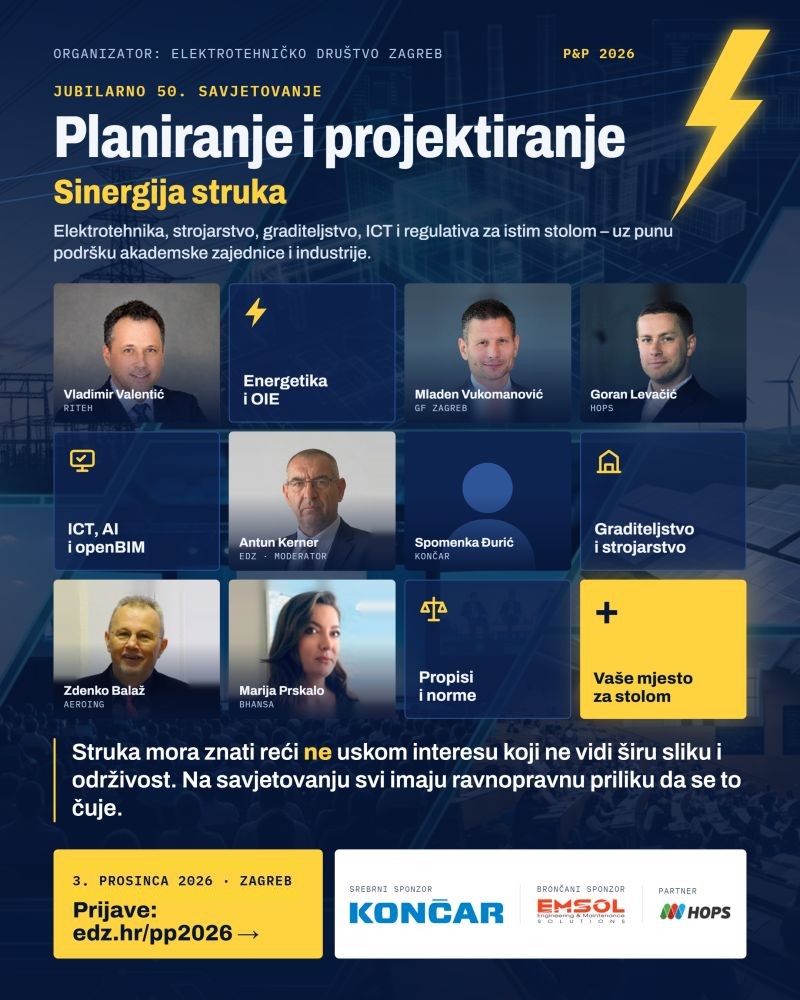
Panellists: Goran Levačić, PhD (HOPS), Spomenka Đurić (KONČAR), Assist. Prof. Ana Drandić, PhD (FER), Miro Hegedić, PhD (EIT Community Hub) and Luka Novosel (Ministry of Regional Development and EU Funds). Moderator: Antun Kerner, PMP. Further panellists will be announced.
13:00 - 14:00
Engineers’ lunch and equipment demonstrations
14:00 - 16:30
Technical sessions – presentation of professional and scientific papers
Papers on power engineering, renewables, surge protection, lighting, AI in telecommunications and the EPBD regulatory framework.
16:30 - 17:00
Closing discussion, conclusions and HKIE certificates
Presentation of certificates for 8 CPD hours and announcement of the 2027 edition.
P&P 2026 • Programme Committee
Submitted papers and abstracts
Overview of the submitted and reviewed papers for the 50th international conference “Planning and Design”.
5. Regulations, standardisation and project management03.12.2026.; 08:30-17:00
STANDARDS AS THE COMMON LANGUAGE OF DESIGN: FROM EUROPEAN STANDARDISATION TO DIGITAL IDENTIFICATION
mag. ing. el. Dinka Ilić-Roller • Croatian Standards Institute
Standards are the common language of designers, yet they are rarely discussed as a subject in their own right. The paper approaches them step by step, from the general to the specific. It starts from the principles of standardisation and the European system in which Croatia, as a full member of CEN and CENELEC, adopts all European standards and votes on their drafts. Using the technical committees of the Croatian Standards Institute as an example, it shows how the national position is formed in practice and how any expert, even outside the committees, can comment on draft standards on the HZNacrti portal. It then turns to informatics and cybersecurity, which today touch almost every project, and ends with the newly established technical committee HZN/TO 585 Digital identification. The committee follows European standards for electronic identification and the European Digital Identity Wallet (eIDAS 2.0), automatic identification and the digital product passport, which sector regulations such as the Batteries Regulation and the Construction Products Regulation are bringing into designers’ work. The aim is to show that the content of a standard can be influenced while it is still being written, not only once it becomes mandatory.
standardisation; European standards; public enquiry; HZN; cybersecurity; digital identification; eIDAS 2.0; digital product passport
1. Power and electrical engineering03.12.2026.; 08:30-17:00
Development concept of the Croatian power system: requirements for design and operation with a high share of renewables
mr. sc. Nenad Švarc • EKONERG – Energy and Environmental Protection Institute
Development planning of the Croatian power system within the EU continental interconnection should be based on the requirements and obligations of the energy transition, analysing past achievements and the structure and trend of connections of different generation and storage technologies. Based on an analysis of voltage conditions, current loading and energy utilisation of the existing grid, statistics of operating events and occasional generation curtailments in parts of Croatia, a sustainable development concept for the high-voltage grid must be proposed, taking into account economic impedance criteria, voltage and current limits, and the requirements for voltage control and interchange power control, i.e. the need for reactive and balancing energy. Clear requirements should also be set for limiting the short-circuit stress of primary equipment and for selecting the rated power factor (cos φ) of generating units, taking into account normal switching states and specific voltage conditions. This should provide a clear framework for development planning, respecting the reasonable requirements of the system operator as well as the cost sustainability of HV connections of large grid users. Coordinated planning of power system operation at regional level, together with multiple busbar systems and an advanced connection concept for critical power facilities, ensures resilience to major disturbances and a reliable system defence.
planningdesigncurrent and voltage conditionsshort circuitpower factor
4. ICT, digitalisation and new trends03.12.2026.; 08:30-17:00
Advanced planning and design in an openBIM environment: integrating the MCP protocol and AI agents within the Interdisciplinary Collaboration Platform (ICP)
Antun Kerner, mag. ing. el., PMP • Kerner Co-author: prof. dr. sc. Dina Šimunić
Modern planning and design of complex building and infrastructure systems takes place under highly dynamic conditions, technological complexity and strict regulatory requirements. Traditional engineering approaches, in which individual disciplines work within closed software ecosystems (“silos”), cause a significant loss of semantic information at the transitions between phases of a building’s life cycle. Building on the analysis of the openBIM regulatory framework in Croatia (HKIE Poreč 2026) and the strategic principles of the Interdisciplinary Collaboration Platform Manifesto (EDZ ICT 2026), this paper examines the technical feasibility and operational benefits of introducing the Model Context Protocol (MCP) into a common data environment (CDE).
Particular emphasis is placed on demystifying the CDE: it distinguishes between ordinary static document repositories (SharePoint / PDF archives) and a parametric CDE aligned with ISO 19650. The paper elaborates the concept of federating domain ontologies (ifcOWL, BOT, SAREF, GeoSPARQL) as the semantic foundation for cross-disciplinary understanding. MCP, an open enterprise-grade client–server protocol, enables artificial intelligence (AI agents) to act as a cognitive orchestrator directly on top of “live” BIM models, open standards (IFC 4.3, BCF, IDS) and national digital services (e-Permits, e-Construction Log). The validity of the proposed concept is demonstrated by a Proof of Concept (PoC) and accompanying Python code run in Google Colab. The paper presents the complete system architecture, automated attribute verification, advanced clash detection and cybersecurity governance models in line with the NIS2 Directive.
1. Power and electrical engineering03.12.2026.; 08:30-17:00
Regulatory requirements and implementation experience in air navigation safety
dr. sc. Zdenko Balaž, dipl. ing. el. • Aeroing d.o.o., Zagreb Co-author: dr. sc. Marija Prskalo, mag. ing. el. (BHANSA)
The paper presents the Safety Management System (SMS) in air navigation through the framework of research carried out with: 1) continuous monitoring of improvements in all safety parameters, 2) integration of complex regulatory requirements, 3) coordination of inter-institutional cooperation, 4) introduction of advanced technologies for airport and air navigation systems and 5) continuous training and education of all stakeholders. The aim of the research is to link the regulatory framework (ICAO Doc 10151), which promotes Human Performance (HP), with the application of new technologies (Artificial Intelligence). Effective monitoring, reporting and analysis mechanisms are identified as patterns that contribute to prevention in operational conditions. The theoretical approach is based on Complex Engineering Design, evaluated by empirical and longitudinal methods, and applied to the reconstruction of the airfield lighting system at Mostar International Airport (LQMO) and BHANSA.
human performanceair traffic safetycomplex engineering designairfield lighting
1. Power and electrical engineering03.12.2026.; 08:30-17:00
Surge protection in residential installations
dr. Amir Halep, dipl. inž. el.
Overvoltages from causes such as lightning strikes can damage equipment in a building and even cause fires. This is especially pronounced for detached buildings, particularly in areas with frequent atmospheric discharges, which makes surge protection in residential installations necessary. The paper systematically presents the applicable standards, protection coordination principles and technical guidance for designing and dimensioning surge protection in residential and small commercial buildings.
1. Power and electrical engineering03.12.2026.; 08:30-17:00
How LED has changed emergency lighting
Zrinko Šimunić, dipl. ing. el. • ARHINGTRADE d.o.o.
An overview of the main technological changes brought by the transition to LED sources in emergency lighting: a much longer service life than discharge lamps, higher reliability and resistance to vibration. Thanks to high energy efficiency (up to 80% lower consumption than fluorescent tubes), the required battery capacity has decreased, enabling the switch from Ni-Cd to modern, longer-lasting LiFePO4 (lithium iron phosphate) batteries that charge much faster. Smaller sources allow miniaturised luminaires and precise optics for escape routes and open areas. The much smaller battery capacity of individual luminaires and bus (DALI) or wireless monitoring make smart emergency lighting easier to implement, so that central battery systems are no longer necessary in most buildings.
energy efficiencyemergency lightingLiFePO4DALIsmart lightingoptics
5. Regulations, standardisation and project management03.12.2026.; 08:30-17:00
Transposition of Directive (EU) 2024/1275 of 24 April 2024 on the energy performance of buildings into Croatian legislation
mr. sc. Miljenko Đukić, dipl. ing. el. • EDZ
The paper provides an analytical overview of the obligations that the recast Energy Performance of Buildings Directive (EPBD recast – Directive (EU) 2024/1275) places on the Croatian legislative and normative framework. It examines the impact of the new requirements on the design of zero-emission buildings (ZEB), mandatory solar energy thresholds for buildings, the implementation of building automation and control systems (BACS) and the adaptation of technical regulations for electrical installations in new construction and deep energy renovation.
5. Regulations, standardisation and project management03.12.2026.; 08:30-17:00
What’s new in the latest editions of lightning protection standards
mr. sc. Ernst Mihalek, dipl. ing. el. • EDZ
Lightning strikes to or near structures endanger people, buildings, equipment and service lines. The need for protection, its economic justification and the choice of measures are determined through risk management. The paper presents the completed 4th edition of the HRN EN 62305 series, whose key changes are a single tolerable risk (RT = 1:100,000) instead of the previous separate risks for loss of service, cultural heritage and economic loss, a new damage frequency criterion FT, and numerous practical improvements to the calculation. It also reviews the harmonised standards for lightning protection components HRN EN 62561.
lightning protectionHRN EN 62305risk assessmentHRN EN 62561standards
4. ICT, digitalisation and new trends03.12.2026.; 08:30-17:00
Applying artificial intelligence to the design of FTTH access networks
mr. sci. Haris Dizdarević, dipl. ing. el. • BH Telecom d.d. Sarajevo Co-author: mr. sci. Sead Dizdarević, dipl. ing. el. (BH Telecom d.d. Sarajevo)
Designing FTTH access networks involves a range of tasks: coverage analysis, cable routes, locations of distribution points, capacities and material quantities. The paper presents the practical use of AI tools and algorithmic methods in GIS analysis, customer clustering, selection of optimal cable routes and automatic preparation of data for network dimensioning and technical documentation. It shows the benefits of faster processing of large datasets, while stressing that field assessment and the final engineering decision remain the designer’s responsibility.
1. Power and electrical engineering03.12.2026.; 08:30-17:00
Test solutions for AI server racks and power subsystems
Marijan Mustač, mag. ing. el. • Micom elektronika d.o.o.
High-performance AI GPU clusters change their power draw within milliseconds, causing extreme dynamic loads, voltage dips and harmonic distortion. The paper discusses stricter test criteria for AC/DC converters, DC distribution, UPS units and battery modules according to IEC, EN and ANSI standards. It covers thermographic analysis, power quality (PQ) measurements, overload testing, fault simulation and the introduction of digital twins and predictive analytics for testing redundant power supplies and cooling systems.
AI server rackspower subsystemsGPU clusterspower qualitymeasurements
5. Regulations, standardisation and project management03.12.2026.; 08:30-17:00
New regulations and amendments adopted or in preparation in 2026 governing spatial planning and construction
Ivan Kovačić, dipl. ing. građ.
An overview and expert interpretation of new legislation and amendments to existing regulations on spatial planning and construction adopted or prepared during 2026. The paper focuses on the practical application of the Spatial Planning Act (ZPU), the Building Act (ZGR) and the Act on Energy Efficiency in Buildings (ZEU), with emphasis on designers’ obligations, simplified permitting through digital systems and alignment of technical documentation.
new regulationsZPUZGRZEUspatial planningconstruction
1. Power and electrical engineering03.12.2026.; 08:30-17:00
Electric vehicle charging and protection systems in the associated low-voltage installations
dr. sc. Željko Novinc, dipl. ing. el. • EDZ Zagreb
Electric vehicle charging is a new and heavy load on low-voltage electrical installations, creating new engineering challenges for designers and grid users (prosumers). Specific safety and design requirements are defined in HRN HD 60364-7-722 (Requirements for special installations or locations – Supplies for electric vehicles). The paper concisely and systematically covers all technical aspects of charging modes, protective measures and devices needed to protect people and installations (AFDD, RCD and RDC-DD devices, EVSE supply and protection systems, fuse coordination and surge protection), with an overview of the relevant IEC and HRN standards.
electric vehicle (EV)EVSEHRN HD 60364-7-722RCDRDC-DDsurge protection
4. ICT, digitalisation and new trends03.12.2026.; 08:30-17:00
Security of 5G and 6G Mobile Networks under the NIS2 Directive: Challenges for Planning and Design
prof. dr. sc. Dina Šimunić • University of Zagreb Faculty of Electrical Engineering and Computing (FER) Co-author: mag. ing. el. Antun Kerner
Fifth-generation networks are becoming core infrastructure for energy, transport, healthcare and smart cities, while sixth-generation development is already under way. The paper shows how the architecture of 5G and 6G networks, with virtualisation, software-defined functions and edge computing, affects the cybersecurity of the systems that rely on them. It outlines the obligations the NIS2 Directive and the Croatian Cybersecurity Act place on essential and important entities, and their consequences for the planning and design of communication and other infrastructure. The aim is to show designers and investors that security requirements must be built in at an early project stage rather than added later.
We invite experts and designers to submit papers, engineering project case studies and professional experience for the jubilee Conference Proceedings.
Preparing and submitting a paper
All submitted papers undergo professional peer review. Accepted papers will be published in the EDZ Conference Proceedings (with an ISBN) and presented in the programme.